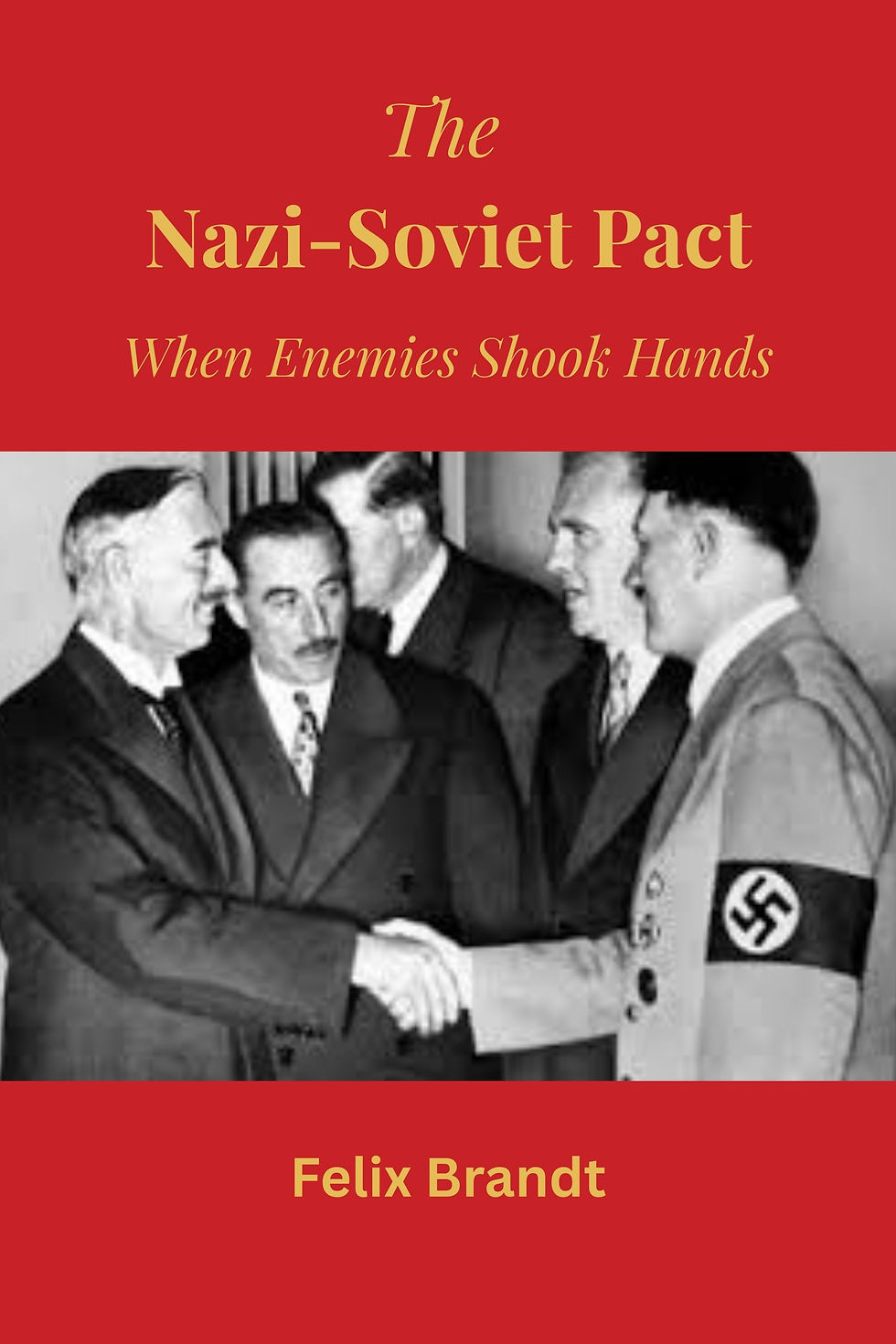
| What if the most important year before global war was not 1939, but the forgotten twelve months just before it? This book takes readers back to 1938, when headlines screamed about Anschluss and the Sudetenland while cinemas, churches, and trading floors carried on as if normal life could still be protected. Month by month, it reconstructs how societies experienced a mounting crisis in real time. Drawing on newspapers, diaries, market commentary, and diplomatic cables, it shows how the origins of World War 2 appeared to people who did not yet know a world war was coming. From the Anschluss and the Sudetenland to the anxious celebrations around appeasement and Munich, it traces the arguments in cabinet rooms, editorials, and church pulpits that persuaded many citizens that each concession would be the last. The book places the violence of Kristallnacht within this wider pattern of denial, tracing how a flood of new reports and intelligence warnings in the 1930s collided with tight immigration controls and a cautious politics of delay. It uses vignettes from civilian life before the war alongside the decisions of Britain and France in 1938 to show how fear of another slaughter shaped every choice. Readers interested in interwar diplomacy, Europe, and 20th-century European history will find a close, unsentimental portrait of a world on edge. By the end of 1938, it had become a case study of how much a society can know about danger and still choose to look away. |
The World on Edge: How 1938 Felt Before It All Fell Apart
SKU: 9789347436833
₹1,250.00 Regular Price
₹1,000.00Sale Price